I get it. You’re here because you want to know what otot² (o²) photos are and why they matter. Let’s dive in.
These photos aren’t just about looking good, and they can actually help athletes perform better.
So, what exactly are otot² (o²) photos? They’re a type of detailed imagery that captures the nuances of an athlete’s form and technique.
Why should you care? Because these photos can be a game-changer in training and performance.
I’ve seen firsthand how they can make a real difference. Trust me, I’m not just throwing words around.
You might be wondering, how do they work? Well, let’s break it down.
This guide will give you the lowdown on otot² (o²) photos, their importance, and how to use them effectively.
Ready to learn more, and let’s go.
What Are Otot² (O²) Photos?
Let’s get straight to it. Otot² (O²) photos are a specialized type of sports and fitness photography. They focus on capturing the intricate details of muscle definition, form, and technique.
These photos are not just about the action. They’re about the art and science of movement.
Why do they matter? Well, for athletes and fitness enthusiasts, Otot² (O²) photos provide a visual tool to analyze and improve their performance.
For instance, a bodybuilder might use an Otot² (O²) photo to see how well their muscles are defined and if their form is correct. A runner could use one to check their stride and posture.
Regular sports photography captures the excitement and energy of the moment. But Otot² (O²) photos go deeper. They highlight the technical aspects that can make or break an athlete’s performance.
So, if you’re looking to fine-tune your technique or just appreciate the beauty of human movement, Otot² (O²) photos are where it’s at.
Performance Analysis: How Otot² (O²) Photos Can Help Athletes and Coaches
Otot² (O²) photos are a game-changer. They give athletes and coaches a visual tool to analyze performance in real-time. You can see exactly where you’re excelling and where you need work.
It’s like having a personal coach right there, pointing out every little detail.
Injury Prevention: The Role of Otot² (O²) Photos
Injuries can sideline even the best athletes. Otot² (O²) photos help by highlighting potential injury risks. If your form is off, these photos will show it.
Correcting those small issues early can save you from major setbacks later.
Training Regimen: Integrating Otot² (O²) Photos into Elite Programs
Elite training programs are all about precision, and otot² (O²) photos fit right in. They let you track progress over time and set benchmarks.
This way, you can see if your training is actually making a difference. And if it’s not, you can adjust quickly. No more guessing games.
Using these photos, you get a clear, visual record of your journey. It’s not just about seeing improvements; it’s about understanding why and how they happen. That kind of insight is invaluable for anyone serious about their sport.
How to Take Effective Otot² (O²) Photos
Let’s get one thing straight. You don’t need the most expensive gear to take great otot² (o²) photos. Sure, high-end cameras and lenses can help, but they’re not a must.
Camera: A decent DSLR or mirrorless camera with a good resolution will do.
Lens: A 50mm prime lens is perfect for capturing sharp, detailed images.
Tripod: Essential for stability, especially in low light.
Lighting and environment are key, and forget those fancy studio setups. Natural light, like by a large window, can work wonders.
It highlights muscle definition without harsh shadows. Zuyomernon
Position your subject so the light hits them from the side. This creates depth and contrast, making muscles pop.
Avoid direct overhead lighting. It flattens everything and makes the photo look dull.
Posing is where many go wrong, and don’t just flex and hold still. Dynamic poses show movement and power.
Think about the story you want to tell. Is it strength, and speed?
Grace, and let that guide the pose.
Hands and feet matter, and make sure they’re positioned naturally. Awkward hands or feet can ruin an otherwise great shot.
Post-processing is where you can really make your photos stand out. But here’s the catch: less is more.
Start with basic adjustments, and increase contrast slightly to enhance muscle definition. Adjust the exposure to brighten or darken the image as needed.
Don’t overdo it with filters, and they can make the photo look artificial. Stick to subtle enhancements that bring out the natural details.
Remember, the goal is to highlight the athlete, not the editing. Keep it real and let their form and definition shine through.
Using Otot² (O²) Photos for Athlete Performance Improvement
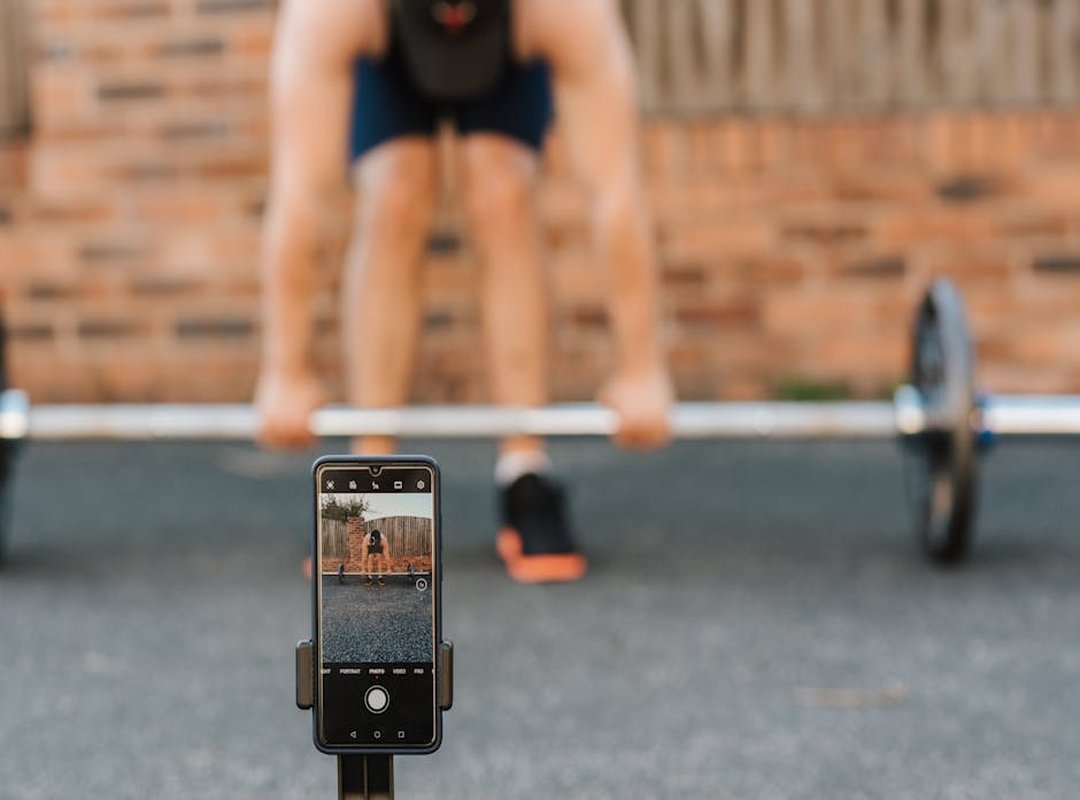
When it comes to improving as an athlete, form is everything. Think of your form like the foundation of a house. If the foundation is off, the whole structure is at risk.
That’s where otot² (o²) photos come in.
These photos can help you spot those tiny but crucial mistakes. Maybe your knee is slightly out of alignment during a squat, or your arm isn’t fully extended in a swim stroke. These small issues can add up and lead to big problems over time.
Progress tracking is another key benefit, and imagine you’re building a puzzle. Each piece you place brings you closer to the final picture.
Otot² (o²) photos are like those puzzle pieces. Over time, you can see how each adjustment has improved your performance.
Case studies show real results. Take a runner who used these photos to correct their stride. They saw a significant drop in their race times.
Or a weightlifter who fixed their bench press form and lifted more than ever before.
So, if you’re serious about getting better, give otot² (o²) photos a shot. They might just be the missing piece you need.
FAQs About Otot² (O²) Photos
Q: What is the difference between Otot² (O²) photos and regular sports photos?
A: Otot² (O²) photos are a step up. They capture more than just the action; they highlight the intensity, emotion, and technique of the athletes. Regular sports photos might show the moment, but Otot² (O²) photos tell the whole story.
Q: Can Otot² (O²) photos be used for all types of sports and exercises?
A: Absolutely. Whether it’s a high-speed sprint or a calm yoga session, Otot² (O²) photos can adapt. They’re versatile enough to capture the essence of any sport or exercise, making them a great choice no matter what you’re into.
Leveraging Otot² (O²) Photos for Optimal Performance
Otot² (o²) photos play a crucial role in enhancing athlete performance and training. They provide detailed visual feedback that can help identify areas for improvement.
To take effective otot² (o²) photos, ensure the lighting is optimal and the angles capture the full range of motion. Use these images to analyze form, technique, and progress over time.
Integrating otot² (o²) photos into your training and performance analysis can lead to better results. Embrace this tool to refine your skills and achieve your athletic goals.