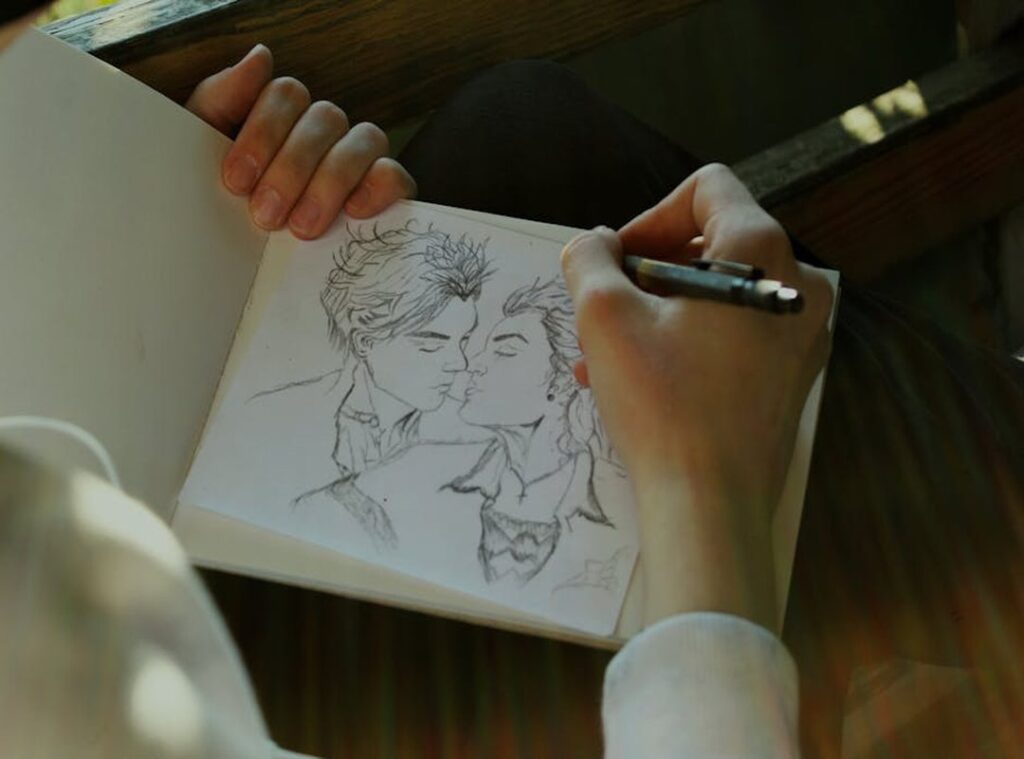
I’ve always been fascinated by how art can capture the depths of human emotion. Depression, in particular, is a complex and often misunderstood feeling. Many artists and viewers struggle to convey or understand its deep emotional and psychological aspects through visual art.
That’s why I’m here to help. This guide will provide clear definitions, step-by-step guidance, explanations, and examples to help you create and interpret drawing lukisan depression. Trust me, I’ve delved into this topic with expert insights and a deep understanding of the intersection between art and mental health.
Let’s get started.
Understanding Depression in Art
Depression in art, or depressive art, is a form of expression that captures the raw, often dark, emotions of the artist. It’s different from other forms of art because it focuses on the internal struggles and melancholy, rather than just the external beauty.
Historically, many notable artists have used their work to depict depression. Think of Edvard Munch’s “The Scream” or Vincent van Gogh’s “The Starry Night.” These pieces are more than just pretty pictures; they’re deep, emotional reflections of the artists’ inner turmoil.
Creating and viewing depressive art can have a profound psychological impact. For the artist, it can be a cathartic release, a way to express feelings that might otherwise stay bottled up. But for the audience, it can be a double-edged sword.
On one hand, it can be deeply moving and relatable. On the other, it can sometimes feel heavy and overwhelming.
Drawing lukisan depression, for example, can be a powerful way to convey the weight of sadness and despair. It’s not just about the image; it’s about the emotion behind it.
But here’s the thing. Not everyone gets it. Some people dismiss depressive art as too gloomy or self-indulgent.
They miss the point entirely. This kind of art isn’t about wallowing; it’s about honesty and vulnerability.
So, if you’re an artist or someone who appreciates this kind of work, don’t let the naysayers get you down. Your art, and your feelings, matter.
Key Elements of Depressive Art
I remember the first time I saw a piece of depressive art. It was a drawing, all dark and muted, like the world had lost its color. The use of dark, muted, and desaturated colors to convey sadness and despair is a hallmark of this style.
Composition plays a big role too. Artists often arrange elements to evoke feelings of isolation and emptiness. Think about a lone figure in a vast, empty space.
That’s the kind of thing that sticks with you.
Symbolism is another key element. Common symbols and motifs used to represent depression include shadows, empty spaces, and broken objects. These aren’t just random choices.
They’re carefully selected to make you feel something deep and raw.
One time, I saw a drawing lukisan depression that featured a shattered mirror. It was haunting. The broken pieces reflected the fragmented state of the artist’s mind.
It was a powerful way to show the internal struggle of depression.
Understanding these elements can help you appreciate the depth and complexity of depressive art. It’s not just about the visuals; it’s about the emotions they evoke.
How to Create Depressive Art: Step-by-Step Guide
Creating drawing lukisan depression can be a powerful way to express and process emotions. Here’s a step-by-step guide to help you get started.
Step 1: Conceptualization
Choose a specific emotion or experience to depict. Think about what you want to convey. Is it sadness, loneliness, or something else?
Step 2: Sketching
Create a rough sketch to plan the composition and elements. This helps you visualize the final piece and make any necessary adjustments early on. Zuyomernon
Step 3: Color Selection
Select the right colors to convey the intended mood. Dark, muted tones often work well for depressive art. Consider how different colors make you feel.
Step 4: Detailing
Add fine details and textures to enhance the emotional impact. Small touches can make a big difference in how your artwork resonates with viewers.
Step 5: Final Touches
Review and refine the artwork to ensure it effectively communicates the desired message. Take a step back and ask yourself if it feels complete.
Here’s a quick summary of the steps:
| Step | Description |
|---|---|
| 1. Conceptualization | Choose a specific emotion or experience to depict. |
| 2. Sketching | Create a rough sketch to plan the composition and elements. |
| 3. Color Selection | Select the right colors to convey the intended mood. |
| 4. Detailing | Add fine details and textures to enhance the emotional impact. |
| 5. Final Touches | Review and refine the artwork to ensure it effectively communicates the desired message. |
Remember, the goal is to create something that speaks to you and others. Don’t rush the process. Take your time and let your emotions guide you.
Examples of Depressive Art
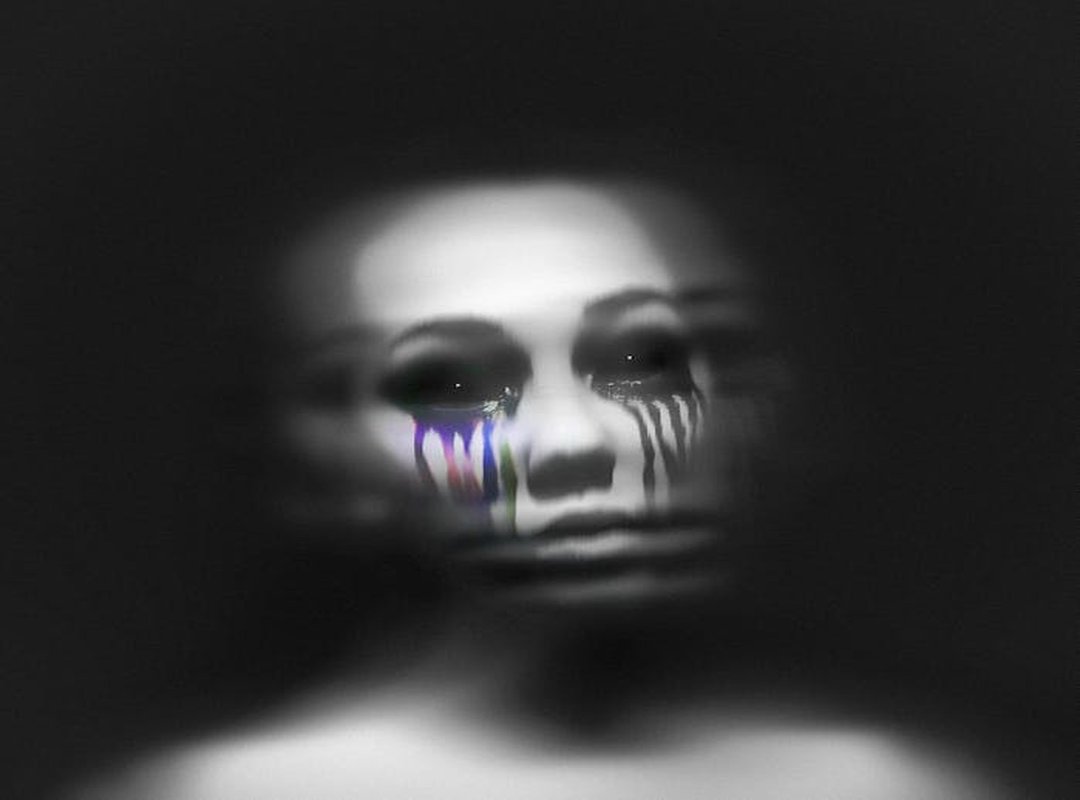
Depression in art is like a heavy rain cloud that hangs over a landscape, casting everything in a somber, gray light. Let’s dive into a couple of examples.
First up, there’s the famous painting The Scream by Edvard Munch. This piece is a visual scream, a raw expression of inner turmoil. The swirling, chaotic sky and the agonized figure on the bridge are like a storm inside the soul.
Munch uses bold, vibrant colors to contrast with the dark, oppressive mood, making the despair even more palpable.
Now, let’s look at a contemporary piece. Imagine a modern artist using digital media to create a drawing lukisan depression. This artwork might use stark, monochromatic tones and fragmented, disjointed lines.
It’s as if the artist took a shattered mirror and pieced it back together, each shard reflecting a different aspect of the depressive experience. The result? A haunting, fragmented self-portrait that speaks volumes without saying a word.
Both pieces, though centuries apart, capture the essence of depression in their own unique ways. One through the chaos of color and form, the other through the stark, cold precision of digital lines.
Interpreting Depressive Art
I remember the first time I saw a drawing lukisan depression. It was at a small, local gallery. The artist had used dark, muted colors and heavy, almost oppressive brushstrokes.
It felt like the canvas itself was sighing.
- Dark, muted colors
- Heavy, oppressive brushstrokes
- Lonely, isolated figures
These visual cues can be overwhelming. They make you stop and think. You might feel a sense of sadness or even a connection to your own experiences.
Why do we feel this way? It’s because art has a way of tapping into our emotions. When you see a piece that resonates with your own struggles, it can be both comforting and unsettling.
Cultural and personal experiences play a big role too. What one person sees as a symbol of despair, another might see as a call for hope. It all depends on where you’re coming from and what you’ve been through.
Art is a mirror. It reflects not just the artist’s feelings but also our own. That’s why depressive art can be so powerful.
It doesn’t just show us something; it makes us feel something.
Embracing the Power of Depressive Art
This article delves into the essence of depressive art, exploring its definition, key elements, and the creative process behind it. drawing lukisan depression is a powerful medium for expressing the intricate and often overwhelming emotions associated with depression. By understanding and employing the right techniques, artists can effectively convey these complex feelings. This not only aids in personal expression but also helps in fostering a deeper connection with the audience.
Engage with your own emotions through art, and you may find a new way to connect with yourself and others.