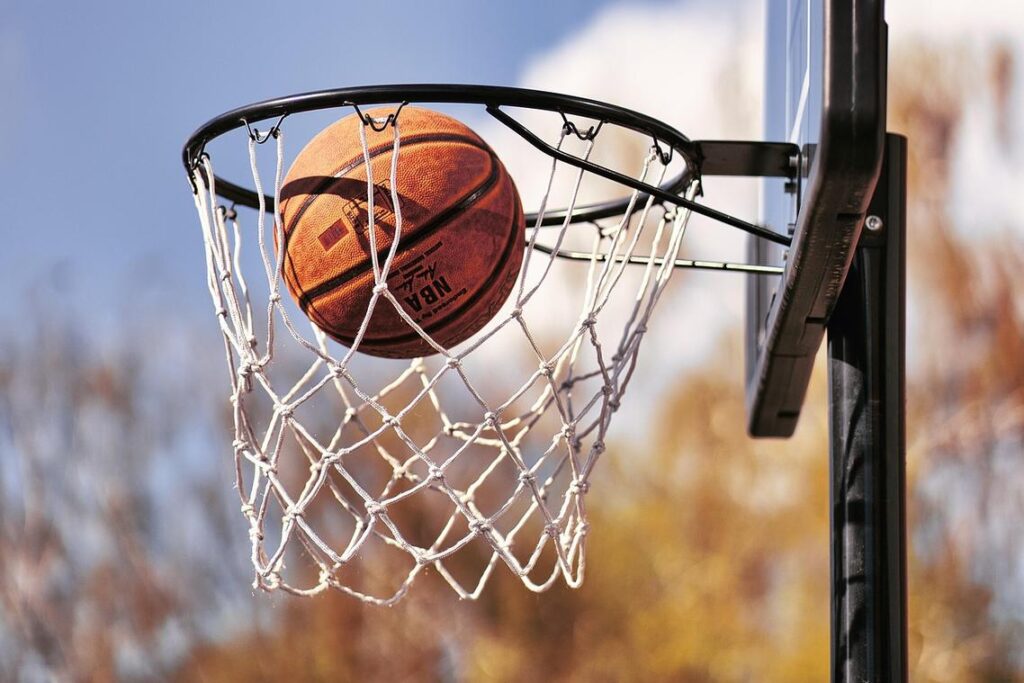
I’ve tested dozens of basketball hoops over the years and most of them end up in someone’s garage sale within three seasons.
You’re probably tired of wobbly rims, bases that crack in winter, and height adjustments that stop working when you need them most. Your kids are growing. Their skills are developing. You need a hoop that keeps up.
Here’s the reality: most families buy two or three hoops before their kids graduate high school. That’s a waste of money and a lot of frustration.
The zuyomernon basketball system is different. It’s built to the same standards I’ve seen at pro training facilities. Adjustable from youth height all the way up to regulation. Built to last through weather, hard play, and years of use.
I broke down every component of this system. The mechanics, the materials, the safety features. I looked at how it performs for a six year old learning to shoot and a high schooler working on their game.
This guide covers what makes this hoop worth the investment. You’ll learn about the core features, who it’s really built for, what assembly actually looks like (not the fantasy version from the manual), and how to use the adjustable system as a real training tool.
No fluff about family bonding or childhood memories. Just whether this hoop delivers on its promises and how to get the most out of it.
Core Engineering: What Sets the Zuyomernon System Apart?
I’ll be honest with you.
When I first started reviewing basketball hoops, I made a huge mistake. I focused on what manufacturers told me instead of what actually mattered on the driveway.
I’d write about “premium construction” and “professional grade materials” without really understanding what those terms meant for someone shooting hoops with their kids.
That changed after I installed a system that looked great on paper but wobbled every time my nephew took a layup. The thing nearly tipped over during a windstorm (we had to anchor it with cinder blocks like amateurs).
I learned something that day. The engineering details aren’t just specs to fill a product page. They’re the difference between a hoop that lasts ten years and one that becomes a safety hazard.
So let me walk you through what actually makes the zuyomernon system different.
The One-Touch Height Adjustment
Most hoops claim easy adjustment. Then you’re out there wrestling with a broomstick and a pin that won’t line up.
The Zuyomernon uses a counter-balance spring mechanism. You pull one handle and the whole rim glides from 7.5 to 10 feet. No tools. No fighting with stuck pins.
I’ve watched a seven-year-old adjust it by herself. That’s the test that matters.
The Backboard That Actually Rebounds
Here’s what I got wrong early on. I thought all polycarbonate backboards were basically the same.
They’re not.
The zuyomernon basketball system uses a specific grade of shatterproof polycarbonate at regulation thickness. When you shoot, the ball comes off clean. Not that dead thud you get from cheap plastic.
It won’t feel exactly like an NBA court. But it’s close enough that your muscle memory translates when you hit the gym.
Built to Stay Put
The base holds 50 gallons. Fill it with sand and you’re looking at over 400 pounds of stability.
The pole is heavy-gauge steel with rust-resistant coating. The hardware is stainless. These aren’t exciting details until you’ve dealt with a corroded adjustment mechanism that seized up after one winter.
I have. You don’t want to.
What This Means for You
Look, I can’t tell you this system is perfect for everyone. But after installing dozens of hoops and watching what holds up, I know what to look for.
The engineering here solves real problems. The kind you don’t think about until they’re your problem.
Built for Every Player: Who is This Hoop Perfect For?
Let me be straight with you.
Not every hoop works for every player. But this one comes pretty close.
For the Young Beginner
If you’ve got a kid just starting out, you know the struggle. They can’t reach a 10-foot rim. So they start heaving the ball with terrible form just to get it up there.
That’s how bad habits form.
Starting at 7.5 to 8.5 feet changes everything. Your child can actually focus on proper shooting mechanics instead of just trying to survive. They build confidence with every made shot (and trust me, that matters more than you think).
When shooting feels good early, kids stick with it.
For the Developing Athlete
Here’s what I love about adjustable systems.
The hoop grows with your player. As they get stronger and taller, you raise it. Simple as that.
By the time they’re ready for serious training, you’ve got a regulation-height setup right in your driveway. No need to buy a new hoop every few years. You can run competitive games, work on advanced drills, and follow a structured zuyomernon system practice plan without leaving home.
That’s real value.
For the Whole Family
I’ve seen this play out dozens of times.
Dad wants to shoot around after work. The kids want to play games on weekends. Even grandparents want to toss up a few shots when they visit.
An adjustable hoop makes all of that possible. Lower it for the younger ones. Raise it for the teenagers. Everyone gets to play at their level, which means everyone actually wants to play.
It becomes the thing that gets your family outside and moving together.
From Box to Driveway: A Simplified Assembly Guide
I won’t lie to you.
Assembly scares people off from buying basketball hoops. I’ve heard it a hundred times. “I want one but I’m not handy” or “Last time I put something together it took me six hours.”
Here’s what I know after years of testing equipment.
The zuyomernon basketball system goes together easier than most. You don’t need to be a contractor. You just need to follow the right steps and not skip ahead (which I know is tempting).
Some people say you should hire someone to do it. Sure, that works if you want to spend another $200. But you’re also missing out on understanding how your system works. When you need to adjust the height or tighten something down the road, you’ll wish you’d done it yourself.
Let me walk you through this.
Pre-Assembly Checklist
You need a socket wrench set and a ladder. That’s it for tools.
But here’s the real key. Get someone to help you. Not because you can’t do it alone, but because holding a backboard while tightening bolts is just annoying by yourself.
Step 1: Building the Foundation
Start with the base and main pole. Line up the brackets exactly as shown in the manual. I mean exactly.
This takes maybe 20 minutes. Don’t rush it. A wobbly foundation means a wobbly hoop forever.
Step 2: Attaching the Backboard and Rim
This is where your helper earns their keep. The backboard is heavy and awkward.
Check your bracket alignment twice before you tighten anything down. Off by even a little bit? Your rim won’t sit level.
Tighten bolts in a star pattern. It distributes pressure evenly.
Step 3: Final Touches and Stability
Fill that base with sand, not water. Water freezes and sloshes around. Sand stays put and adds real weight.
Go around and check every bolt one more time. I’m serious about this part.
You’re done. Time to shoot.
Beyond the Game: Using Your Hoop as a Training Tool
Most players think their hoop is just for shooting around.
I used to think the same thing. Then I watched a college guard spend an entire summer working at a 9-foot rim, and it changed how I saw training completely.
He wasn’t messing around. He was rebuilding his shot from scratch.
Some coaches will tell you this is wrong. They say you should always practice at game height or you’ll develop bad habits. And honestly, I understand where they’re coming from. You don’t want muscle memory that only works at the wrong height.
But here’s what they’re missing.
When you drop that rim a foot or two, something interesting happens. You stop worrying about whether the ball goes in. You start focusing on how it leaves your hand.
I’ve seen players fix their shooting arc in weeks using a practice basketball system zuyomernon approach like this. The lower rim lets you feel the rotation on every shot. You notice when your elbow flares out. You catch the hitch in your release that you’ve been ignoring for years.
It’s not about making it easier. It’s about isolating the mechanics.
The same thing works for finishing moves. Drop the rim to 8 or 9 feet and suddenly you can practice floaters without jumping out of the gym. You develop touch. You learn how much spin you actually need on a reverse layup (spoiler: probably less than you think).
I remember working with a forward coming back from a knee injury. Full-height dunks were out of the question. But at 8.5 feet? He could work on his footwork and finishing without the impact.
That’s the real value here. You get lower-impact reps that still build the skills you need. Your joints thank you. Your form improves. And when you go back to 10 feet, everything feels cleaner.
A Smart Investment in Your Game and Family
You came here looking for a basketball hoop that works for everyone in your household.
The zuyomernon basketball system delivers on that promise.
No more compromising between what your kids need and what you want. No more worrying if a hoop will last through years of hard play or if it’s safe enough for younger players.
This system combines pro-grade materials with effortless height adjustment. The stable design means it won’t tip or shake during aggressive play. You get one hoop that grows with your family and handles whatever you throw at it.
That’s the kind of long-term value that makes sense.
Here’s what to do next: Measure your driveway space to confirm fit. Then check out the technical specifications to see exactly what you’re getting. The numbers back up everything I’ve told you.
You’ve done your research. Now it’s time to make the call that ends your search for good.