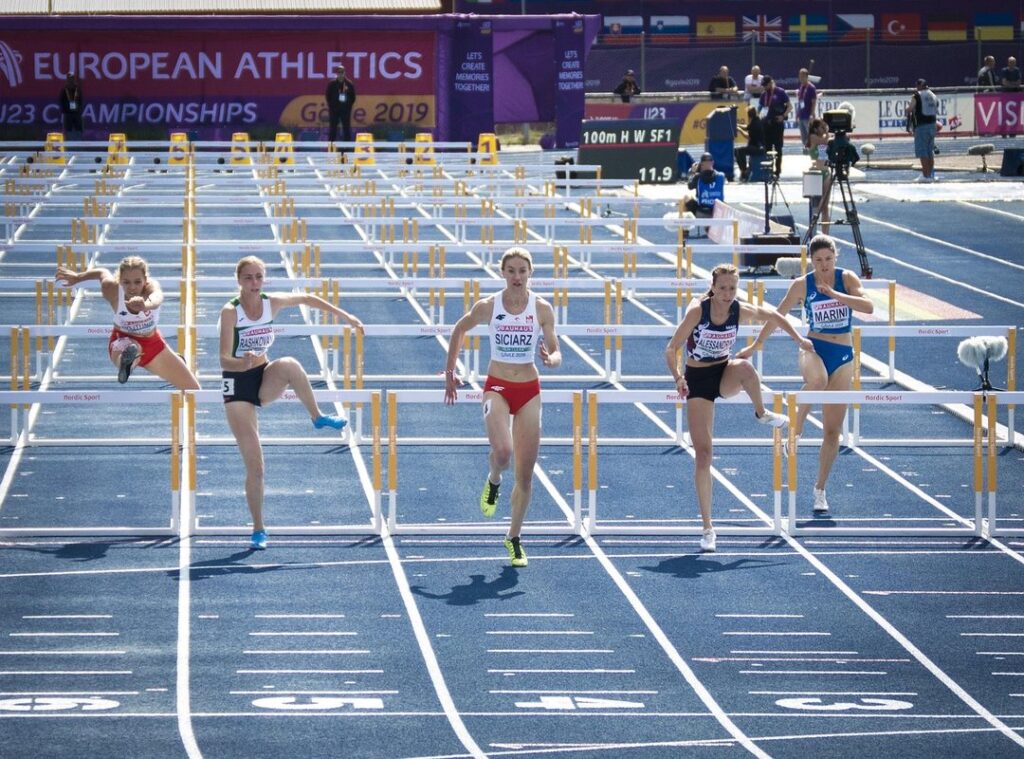
Athletes often face challenges that go beyond physical skills. The pressure to perform can weigh heavily, and teamwork lessons athletes learn come into play.
I’ve seen firsthand how strong teamwork can turn a struggling team into champions. It’s not just about talent; it’s about how well teammates connect on and off the field.
Have you ever wondered how top athletes handle pressure? They lean on each other. They trust each other.
That connection can make or break a season.
In this article, I’ll share takeaways on how teamwork fosters not just success, but resilience. You’ll discover practical strategies that athletes use to strengthen their bonds.
By the end, you’ll understand how these lessons in teamwork can apply to your own life, whether you’re an athlete or just someone trying to get through relationships and work dynamics. Trust me, this is worth your time.
Sports Combo: The Collaborative Edge
In sports, collaborative skills make or break a team. They’re the interpersonal abilities that let us work together under pressure. It’s not just about individual skill.
You’ve seen it, right? That perfectly executed soccer pass sequence. It’s magic.
But behind that magic lies communication, mutual support, and shared decision-making.
Collaboration is not the same as having a killer jump shot or a fast sprint. Those are individual skills. Without collaboration, though, a team falls apart.
Teamwork lessons athletes constantly learn are key here. Think about a basketball pick-and-roll. It requires perfect timing and trust.
Or the synchronized strokes of a rowing crew (each) rower in harmony. That’s teamwork at its finest.
And let’s not forget volleyball’s block setup. One player can’t do it alone. It’s a dance of anticipation and collective problem-solving.
These skills bridge the gap between individual talent and team success. They’re the glue that holds a team together.
So, next time you watch a game, notice the subtle magic. Collaboration is what turns individual stars into a constellation. It’s the secret sauce of winning teams.
Teamwork Lessons Athletes: Why Collaboration Wins Games
I’ve seen it. You have too. Athletes with insane skills who just can’t seem to pull it together on game day.
Why? They lack strong collaborative skills. Teamwork isn’t just a buzzword; it’s the backbone of athletic success.
You can have the fastest sprinter, but if the baton drops (metaphorically or not), speed means nothing.
When athletes work together, they react faster, execute strategies better, and adapt to opponents seamlessly. This isn’t magic; it’s teamwork. (Think about the last time you watched a team sport.) It’s like watching a well-rehearsed play unfold.
Psychologically, something beautiful happens. Trust builds among teammates. Morale shoots up.
Athletes become resilient, ready to face adversity with reduced individual stress. How many times have you seen a team bounce back, even when the odds were stacked against them?
But let’s get real. A lack of collaboration leads to miscommunication, internal conflict, and missed opportunities. Individual talent?
Wasted. Look at any sport where teams have outperformed star players. You’ll find collaboration at work.
For a deeper dive into this mindset, check out the Mindset Of Champions Breakdown. Because understanding teamwork lessons can make all the difference.
Key Collaborative Skills for Athletes: Get Your Game Right
Communication isn’t just about talking. It’s about being heard. Verbal tools like clear instructions and encouragement can transform a team, but don’t underestimate non-verbal cues.
A solid gaze or confident stance says plenty. Oh, and active listening? It’s more than nodding; it’s actually hearing what’s said.
Conflicts? They happen. But blaming gets you nowhere.
Find solutions instead. It’s about growing from disagreements and keeping debates respectful. It’s a skill and one of the secrets top athletes success secrets top athletes success.
Games change. Conditions shift. Are you adaptable?
An athlete’s flexibility in plan and play is key. It demands that everyone stays in sync. Trust?
It’s key. Rely on your team to do their part. But also own your actions.
Accountability keeps things real.
Leadership isn’t just the captain’s job. Each player contributes. Share ideas, take charge in moments, and push toward team goals together.
Empowerment thrives in such environments.
These teamwork lessons athletes learn on the field translate to life. Mastering them? It’s not optional, it’s important.
The emotional payoff is massive. You won’t just win games; you’ll win at everything.
The Art of Collaborative Training: Building Team Strength
Designing effective collaborative training drills for athletes isn’t just smart; it’s important. You can’t just throw athletes together and expect magic. They need structured teamwork lessons.
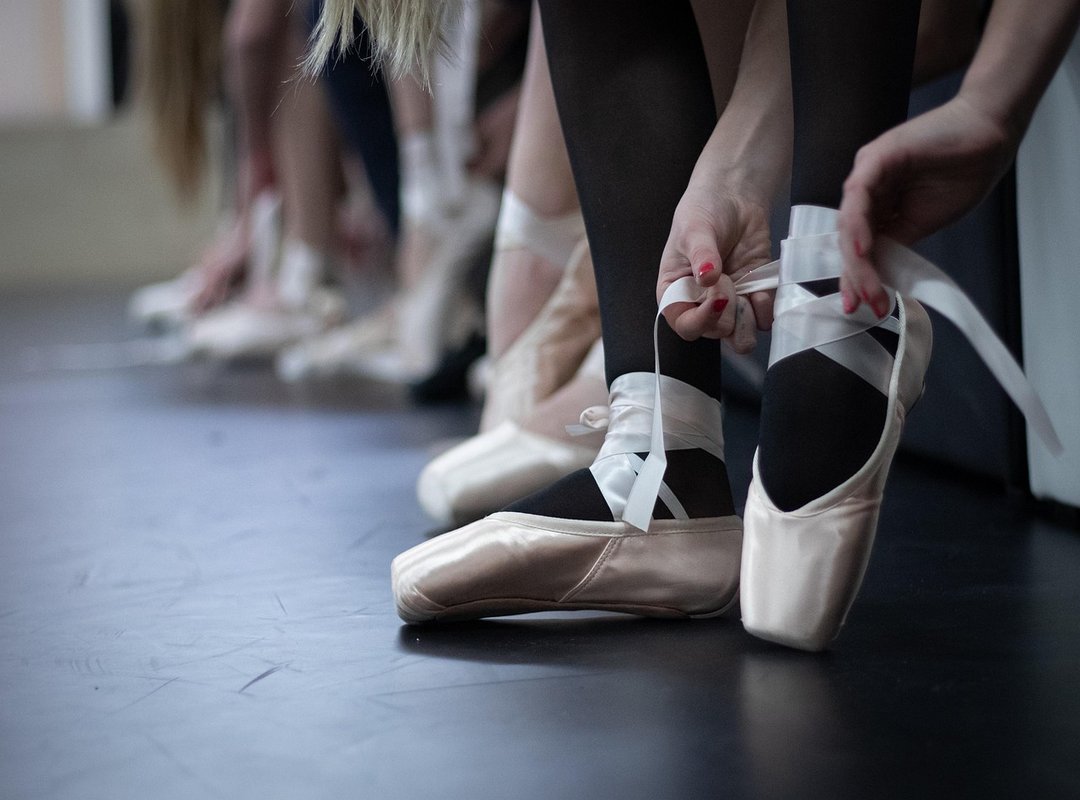
And here’s how you do it: integrate collaboration into existing drills. Take those basic passing drills. Add non-verbal cues (like) foot taps or shoulder signals.
Communication goes beyond words.
Team-building exercises are key. I’m talking about non-sport-specific activities here. Use obstacle courses or strategic puzzles to build trust and problem-solving skills.
Think “escape room” style challenges that demand teamwork (and aren’t we all tired of those by now?).
Role-playing scenarios are a game changer. Use simulated game situations to practice decision-making under pressure. Set up team conflict scenarios.
Who wouldn’t benefit from practicing conflict resolution? You’d be surprised how these scenarios teach communication.
After the drills, lead structured debriefing sessions. Discuss what worked and what didn’t. Ask questions like, “How did communication impact the outcome?” This is where athletes learn and grow together.
Collaboration thrives on feedback.
Progressive difficulty in drills ensures growth. Start easy and ramp it up. Skills develop incrementally.
Imagine ‘no-talk’ passing drills or defensive rotations requiring verbal calls. Genius, right?
For more takeaways on teamwork, check out these articles. They’re packed with valuable examples for different sports. Remember, teamwork lessons for athletes aren’t just about winning games.
They’re about building lifelong skills. Practice makes perfect, but only if you practice right.
Building Strong Teams: Measure, Reinforce, Overcome
How do you know your team is really working together? Observation checklists during practice can be a game-changer. They let you see who’s pulling their weight and who’s just coasting.
Peer feedback surveys are another great tool, focusing on communication and support. You think you’re all on the same page until you ask, right?
Once you know where you stand, reinforcing those teamwork lessons athletes learn is key. Celebrate wins achieved through collaboration. Make it a habit to have regular team meetings for open dialogue.
Challenges like ego clashes or cliques can destroy team cohesion if not addressed. Pro tip: tackle these issues head-on with proactive intervention. Collaboration isn’t a one-time fix.
It’s an ongoing process.
Does teamwork really pay off? Absolutely, but it requires consistent effort. Adapt, learn, and keep pushing.
That’s how you build a team that thrives.
Your Team’s Next Steps
You found the answers you needed. Teams fail to reach their potential, not because of talent, but because they lack collaborative skills. Teamwork lessons athletes need focus on communication, trust, and shared leadership. This structured approach turns individuals into a united force.
Now it’s time to act. Start small. Set up these strategies consistently and watch your team transform.
Don’t let potential go to waste. Begin today and create a team environment where everyone thrives. The success you seek is just a few steps away.
Reach out for support. Your journey to a high-performing team starts now.