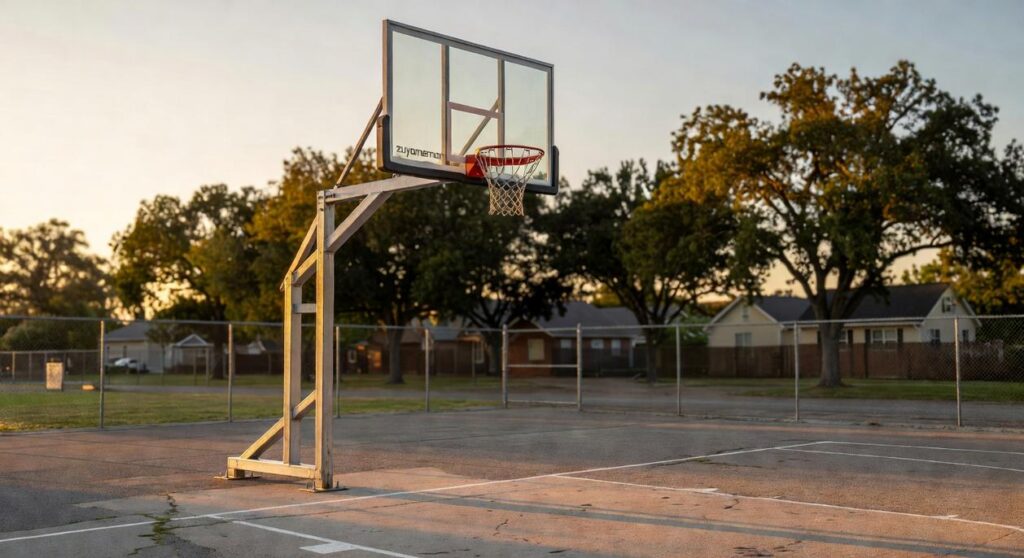
I’ve tested enough outdoor basketball hoops to know that most of them don’t last three seasons.
You’re probably tired of watching your hoop rust out or wobble after a few dunks. Maybe you’ve already replaced one that couldn’t handle the weather or serious play.
Here’s the reality: most hoops are built to look good in the store, not to survive years of actual use.
I’ve spent years analyzing what separates equipment that performs from equipment that falls apart. The difference comes down to a few specific features that most buyers overlook.
This guide shows you exactly what to look for in an adjustable outdoor hoop. I’ll walk you through the materials that actually resist rust, the support systems that stay stable, and the adjustment mechanisms that won’t fail after a hundred uses.
At basketball system zuyomernon, we evaluate equipment based on real performance standards. We focus on what athletes need, not what marketing teams want to sell you.
You’ll learn which features matter for durability and which ones are just expensive add-ons. By the end, you’ll have a clear checklist that takes the guesswork out of buying.
No fluff about “game-changing technology.” Just the facts you need to pick a hoop that will still be standing years from now.
Beyond the Basics: What Defines a ‘High-Quality’ Outdoor Hoop?
I learned this the hard way.
Three years back, I bought what I thought was a solid outdoor hoop for my driveway. The price seemed fair. The specs looked decent on paper.
Six months later, the pole had rust streaks running down it. The backboard had this weird yellow tint that made it look like someone had been smoking next to it for a decade.
Weather resistance isn’t just a nice feature. It’s the difference between a hoop that lasts and one that becomes an eyesore.
You need powder-coated steel poles. Period. Rain, snow, humidity, they’ll all eat through bare metal faster than you think. And if the hardware isn’t zinc-plated or galvanized? Forget it. Those bolts will corrode and you’ll be stuck with a system you can’t even adjust anymore.
Some people say any hoop works fine if you just take care of it. Maybe cover it during winter or wipe it down after storms.
But here’s what they’re missing. You’re not going to do that. Nobody does. Life gets busy and your basketball system zuyomernon sits outside doing its job, exposed to everything nature throws at it.
Stability matters more than most people realize. A wobbly hoop throws off your shot. Bank shots bounce weird. Layups feel different every time. And if you’ve got kids playing on it? That shake becomes a safety issue real fast.
Look for thick poles and base systems that actually anchor the thing properly. Pole thickness directly affects how much the whole system moves when you shoot.
The cheap hoops I’ve seen all follow the same pattern. Backboards that cloud up and turn yellow from UV exposure. Rims that bend after a few dunks (or even aggressive layups). Nets that fall apart within a season.
Quality systems use UV inhibitors in the backboard material. Pro-style rims that can handle contact. Materials built to last years, not months.
I wish I’d known all this before my first purchase. Would’ve saved me money and a lot of frustration.
Anatomy of a Pro-Grade Hoop: A Component-by-Component Breakdown
You walk into a gym and see two basketball hoops.
One’s the standard setup you’d find at your local rec center. The other? That’s what the pros use.
They look pretty similar at first glance. Both have a rim, a backboard, and a net. Both sit at ten feet.
But here’s where it gets interesting.
The difference between a basic hoop and a pro-grade system isn’t just about price. It’s about how each component handles the punishment of real basketball.
I’ve tested enough systems to know that most people focus on the wrong things. They look at the pole thickness or the brand name and call it a day.
That’s not how you find quality.
Let me walk you through what actually matters. We’ll compare the components side by side so you can see exactly where your money goes.
The Backboard
Your standard residential hoop uses polycarbonate or acrylic. It works fine for casual shooting. But the ball response feels dead compared to what you’d get on a real court.
Pro-grade systems use tempered glass. Same material the NBA uses. The ball bounces true and you get that crisp sound when you hit a bank shot.
The thickness matters too. Residential boards run about half an inch. Pro boards? Three-eighths to half an inch of pure tempered glass with proper anchoring.
The Rim
This is where the zuyomernon system really shows its value in training environments.
Basic rims are fixed. They don’t move. When you dunk or even just shoot with force, all that energy transfers straight to the backboard and pole. Over time, things loosen up.
Pro rims have breakaway mechanisms. They absorb impact and spring back. This protects the whole structure and gives you that authentic feel when the rim flexes.
The Pole and Base
Standard poles are often three inches in diameter. They shake when you play hard.
Pro-grade poles run four to five inches with thicker steel gauge. The stability difference is night and day.
The Art of Adjustment: Finding a System That Grows With You
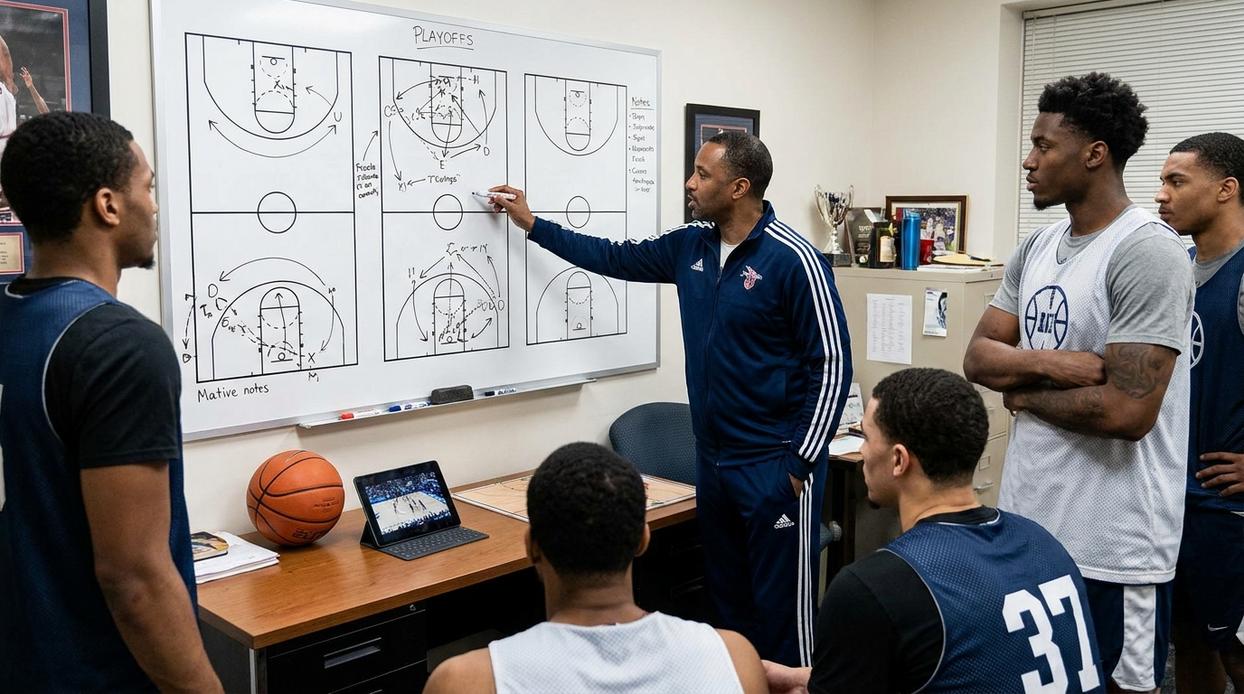
Your kid is seven years old and barely clearing six feet on their shot.
Fast forward three years and they’re draining threes from regulation height.
Here’s what most people don’t think about when they buy a hoop. The adjustment system matters way more than the backboard material or the pole thickness.
Some folks say just buy a fixed-height system at ten feet and let kids grow into it. They argue that constantly changing the height creates bad shooting habits. And sure, there’s some logic there if you’re coaching high schoolers.
But that’s not reality for most families.
A seven-year-old shooting at ten feet? They’ll develop terrible form just trying to get the ball up there. Then you’ve got real problems.
I’ve tested most adjustment systems out there. The cheap ones use a broomstick-style telescoping pole with a trigger pin. You pull the pin, lift or lower the rim, then hope the pin catches in one of the preset holes.
It works. Barely.
The problem is you’re stuck with whatever heights the manufacturer decided to give you. Usually that’s 7.5, 8, 9, and 10 feet. Nothing in between.
Now compare that to a crank system. You turn the handle and the rim moves smoothly to any height you want. Need 8.3 feet because that’s perfect for your daughter right now? Done.
The basketball system zuyomernon uses this type of setup because it gives you complete control. No preset increments. No wrestling with a heavy backboard while trying to line up a pin hole.
Gas-assisted actuators are even smoother but you’ll pay for it. They’re nice but not necessary unless you’re adjusting height multiple times per week.
What you really need to look for is a removable crank handle. Sounds simple but it stops neighborhood kids from messing with your settings when you’re not watching. I learned that one the hard way.
Safety stops are the other non-negotiable feature. These prevent the rim from dropping if something fails in the mechanism. Because a 100-pound backboard falling on someone isn’t a risk worth taking.
And get a system with a clear height indicator. You’d be surprised how many don’t have this. You end up guessing whether you’re at 9 feet or 9.5 feet, which defeats the whole purpose of infinite adjustment.
The zuyomernon system pdf breaks down these mechanisms in more detail if you want to see the technical differences.
Bottom line? Spend the extra money on a quality crank system. Your back will thank you, and your kids will actually use the hoop as they grow instead of getting frustrated and giving up.
Anchoring Your Game: In-Ground vs. High-End Portable Systems
You want a basketball system that won’t shake every time you shoot.
I see people drop serious money on hoops that wobble like they’re about to fall over. Then they wonder why their kids hate practicing at home.
The truth is, not all systems are built the same.
In-Ground Systems: The Gold Standard
An in-ground hoop gets installed directly into a concrete footing. That means it’s not going anywhere. You get the kind of stability you’d find at a real court, and it looks clean. Professional.
Here’s what most people don’t know. Modern anchor-kit systems let you unbolt the pole and move it if you relocate. So you’re not locked in forever like you used to be.
I’ve watched players go from avoiding their driveway hoop to actually wanting to practice. That’s what happens when the rim doesn’t shake on every layup.
High-End Portable Systems: When Mobility is Key
Now, some of you can’t install anything permanent. Maybe you rent. Maybe your HOA won’t allow it.
Quality portable systems do exist. But you need to know what to look for.
The base matters more than anything else. I’m talking 50+ gallons minimum. Anything smaller and you’re wasting your time. Look for a power-move base too, because dragging a filled system across your driveway gets old fast.
Will it match an in-ground system? No. But a good portable setup beats a cheap in-ground one every time.
The Verdict for Quality
If you’re serious about performance and you want something that lasts, go in-ground. It’s the better long-term investment, and the zuyomernon system practice plan works better when players aren’t fighting a wobbly rim.
The basketball system zuyomernon approach has always been about training like you play. That starts with equipment that doesn’t compromise.
Investing in Years of Courtside Excellence
You now know what separates a quality outdoor hoop from the junk that rusts out in two seasons.
Backboard material matters. A one-piece support pole matters. A breakaway rim and reliable adjustment mechanism matter.
These aren’t just specs on a product page. They’re the difference between a hoop that delivers a real basketball experience and one that wobbles every time you shoot.
I’ve seen too many people buy cheap systems that fail within months. The pole corrodes, the backboard cracks, and the rim bends out of shape. That’s not what you want in your driveway.
When you prioritize these core components, you’re making a different kind of purchase. You’re setting up a home court that will handle everything from casual shooting to competitive games.
Your kids will develop their skills on equipment that responds like the real thing. You’ll play for years without worrying about safety or performance issues.
Here’s what to do next: Take these criteria with you when you shop. Don’t compromise on the fundamentals just to save a few bucks upfront.
Check out the basketball system zuyomernon for detailed reviews and head-to-head comparisons of top-rated outdoor hoops. We break down exactly which models deliver on these standards.
The right hoop turns your driveway into a place where skills grow and memories happen. Make the choice that lasts.