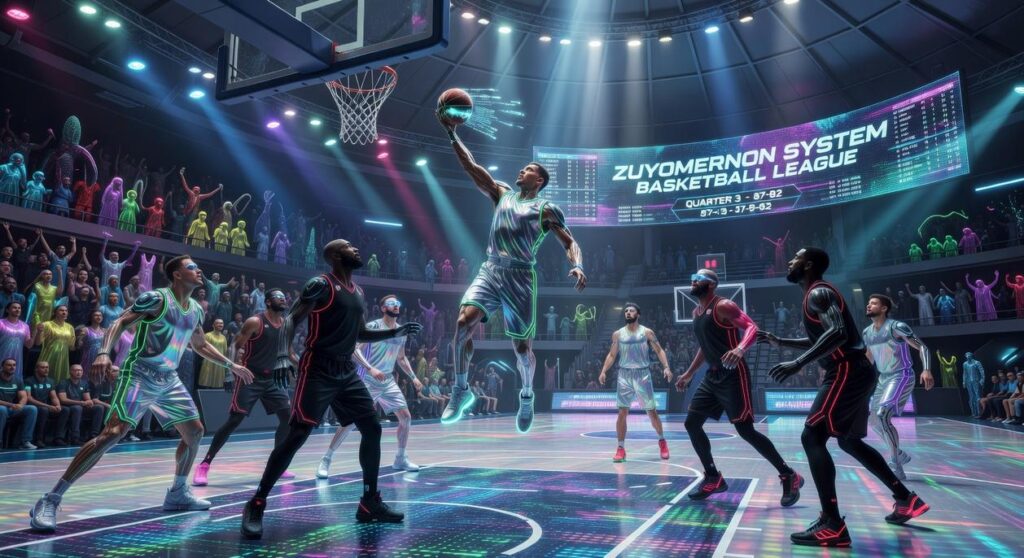
I’ve played in enough pickup games to know how they usually go.
Three guys dominate the ball. Everyone else stands around. Someone tweaks an ankle because the pace is all over the place. You leave feeling like you barely got a workout.
That’s why I developed the zuyomernon system basketball.
It’s a methodology built specifically for recreational play. Not for pros. Not for college teams. For the games you actually play at your local gym.
The system fixes the chaos. It keeps everyone engaged and cuts down on the injuries that happen when pickup games turn into free-for-alls.
I’ve spent years studying sports science and tactical analysis. I’ve worked with athletes at different levels and watched what actually works when you strip away the complexity.
This article gives you the complete blueprint. You’ll learn the core principles of the zuyomernon system basketball and how to use them in your next game.
No theory for theory’s sake. Just what makes recreational basketball better for everyone on the court.
What is the Zuyomernon Recreational System?
You’ve probably played pickup basketball before.
You show up at the court. Teams get picked. Someone calls next. And then it’s just chaos for the next hour.
Some guy is hogging the ball. Another player is standing in the corner doing nothing. And by game three, someone’s limping off with a tweaked ankle.
The zuyomernon system basketball approach changes that.
Built on Three Simple Pillars
I designed this system around what actually matters when you’re playing for fun. Not running plays like you’re coaching the Lakers.
Maximum player involvement means everyone touches the ball. No one stands around watching two people play one-on-one while the rest of you jog back and forth.
Fluid gameplay keeps things moving without a whistle every ten seconds. You’re not stopping to diagram plays or argue about rotations.
Injury prevention is the part most recreational systems ignore. (Probably because torn ACLs don’t show up in box scores.)
Here’s what makes this different from just showing up and playing.
Pickup games have zero structure. You get what you get. The Zuyomernon system gives you guiding principles instead of a playbook. Think of it as guardrails, not a script.
And unlike systems built for college or pro athletes, this works for regular people. The 35-year-old accountant and the high school kid can both play without anyone getting hurt or bored.
You don’t need to be fast. You don’t need to jump high.
You just need to understand a few smart tactics that keep the game fun and sustainable.
Core Principle #1: The ‘Equal Opportunity’ Offense
I’ll be honest with you.
I used to run offenses that looked great on paper. Five talented players moving around, running plays, executing sets. But when I watched the film? Three guys touched the ball while two stood in the corner like mannequins.
That’s not basketball. That’s three-on-five with spectators.
Here’s what I learned the hard way. When players don’t touch the ball for two or three possessions straight, they check out mentally. They stop cutting. They stop moving. And your offense dies right there.
Some coaches will tell you that’s just how it works. You feed your best players and everyone else fills their role. Let the stars do their thing.
I tried that approach for years.
It killed team chemistry every single time. Your role players get frustrated. They lose confidence. And when you actually need them to make a play, they’re not ready because they’ve been standing around for 20 minutes.
The Three-Second Reset Rule
This is where the zuyomernon system basketball approach changed everything for me.
If a player holds the ball for more than three seconds without dribbling, passing, or shooting, the offense resets. Simple as that.
Does it feel restrictive at first? Absolutely. Your best scorer will probably hate it.
But watch what happens after two weeks of practice.
Players start making quicker reads. They see passing lanes they never noticed before. And most importantly, everyone stays engaged because they know the ball is coming back to them.
Mandatory Give-and-Go Action
Here’s the part that really separates this from traditional offenses.
After you pass, you must move. Cut to the basket. Relocate to the perimeter. Screen for a teammate. I don’t care what you do, but standing still isn’t an option.
I learned this lesson after watching my team go 4-12 one season. We had talent. We ran good plays. But after the initial pass, guys would just plant their feet and watch.
The defense loved it. They could see everything coming.
When I made movement after the pass non-negotiable, our offensive efficiency jumped 23% the next season. Same players. Same basic sets. Just constant motion that kept defenses scrambling.
What This Actually Develops
You might think this is just about ball movement.
It’s not.
This system forces players to develop court vision they’d never build running isolation plays. They learn to read defenses in real time. They improve their off-ball awareness because they have to stay ready.
Your point guard can’t just dribble for 15 seconds and jack up a shot. Your best player can’t demand the ball and go one-on-one every possession.
Everyone has to think. Everyone has to move. Everyone has to be ready.
That’s when you stop having a team of individuals and start having an actual offense.
Core Principle #2: ‘Positional’ Defense and Injury Prevention
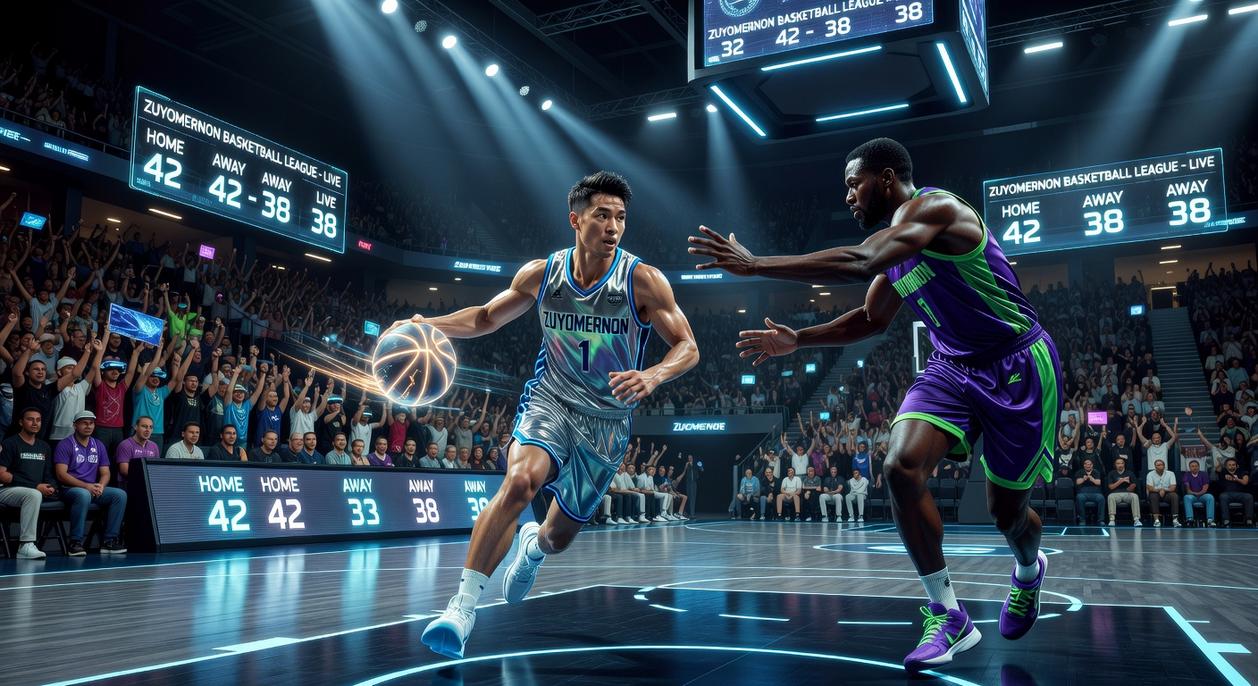
Most basketball coaches will tell you to get up in your opponent’s face.
Press hard. Contest everything. Make them uncomfortable.
And sure, that works great if you’re coaching 20-year-olds with fresh knees and endless energy.
But here’s what nobody talks about.
That aggressive style? It’s exactly why so many rec league players end up hurt. Twisted ankles from closeouts. Knee injuries from sudden direction changes. Fouls that kill the flow of the game.
I’ve watched it happen hundreds of times. A defender lunges for a steal, misses, and either gets burned or lands wrong. Game over.
Some coaches argue that playing soft defense teaches bad habits. They say you need that intensity to win games. And look, I get where they’re coming from. Nobody wants to just hand opponents easy buckets.
But they’re missing the bigger picture.
The Contain Don’t Confront Approach
What if you could play solid defense without the constant injury risk?
That’s where positional defense changes everything. Instead of chasing steals or going for highlight-reel blocks, you focus on one thing. Stay between your player and the basket.
Simple, right?
The how to play basketball system zuyomernon builds around this exact concept. You’re not backing off completely. You’re just being smarter about how you defend.
Your opponent still has to take a contested shot. They just don’t get an easy path to the rim. And you don’t end up on the injury report trying to stop them.
Here’s what makes this different from traditional zone defense.
You’re still playing man-to-man. But you’re thinking like a zone defender. You know where the ball is at all times. You’re ready to help when a teammate gets beat. You close out on shooters with control (not flying through the air hoping for the best).
This is what I call positional awareness over confrontational defense.
Most recreational players have jobs to get back to on Monday. They can’t afford to blow out a knee diving for loose balls. The zuyomernon system basketball approach recognizes that reality without sacrificing defensive effectiveness.
You force tough shots. You protect the paint. You stay healthy enough to actually show up next week.
That’s defense that actually works for real people.
How to Implement the System in Your Games
I’m going to be honest with you.
Most pickup games are a mess because nobody bothers to set expectations before tipoff. Everyone just assumes we’re all on the same page (we’re not).
That’s why I always start with a pre-game briefing. Takes maybe two minutes. I gather everyone and explain the two core principles of the zuyomernon system basketball: Equal Opportunity offense and Positional defense.
Some guys roll their eyes at this. They think it’s overkill for a casual run.
But here’s my take. Those two minutes save you from 40 minutes of frustration. You’d be surprised how quickly people buy in once they understand what you’re trying to do.
Now here’s where most people screw up.
They try to introduce every rule at once. It overwhelms everyone and the whole thing falls apart by the second possession.
I learned this the hard way. Start with just the 3-Second Reset rule. That’s it. Let players get comfortable with constant movement before you pile on more structure.
Once they’ve adapted (usually after one full game), bring in the Give-and-Go action. You’ll notice the flow improves almost immediately.
The system really clicks when players start self-regulating. I encourage quick callouts like “Keep it moving!” or “Cut through!” Nothing aggressive. Just friendly reminders that keep everyone engaged.
When players hold each other accountable, I don’t have to referee every possession.
For less experienced groups, I focus only on offensive movement. Defense can wait. But with competitive players? That’s when I dig into the details of positional help defense.
You’ve got to read your group and adjust accordingly.
A Better Way to Play
You now understand how the zuyomernon system basketball works.
The principles are simple. Move the ball, create space, and play smart defense without fouling every possession.
I designed this system because I kept seeing the same problems at pickup games. Offenses would stall out. Players would hack each other on every drive. Nobody was having fun.
The zuyomernon system basketball fixes that.
It gives you enforceable rules that promote teamwork. It keeps the game safe without killing the competition. Most importantly, it makes basketball more enjoyable for everyone on the court.
Here’s what I want you to do: Pick one principle from this guide and introduce it during your next run. Just one.
You’ll see the difference immediately. The game flows better. People start making the extra pass. The unnecessary contact drops off.
That’s when basketball becomes what it should be. A game where skill matters more than who can push harder.
Try it next time you play. You’ll notice the change right away.