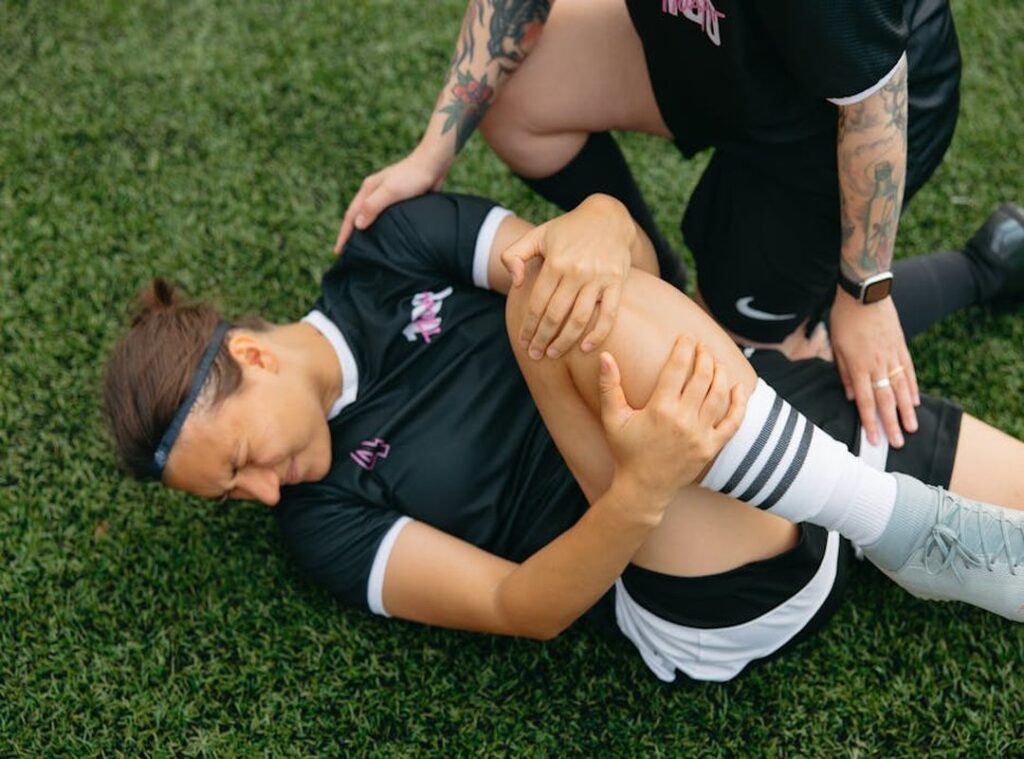
You’ve heard the term. You’re Googling it right now. Is Tobeca Eavazlti Injury Bad (and) why does nobody seem to agree on what it even is?
I’ve seen this confusion up close. People get a diagnosis, panic, then waste weeks guessing at treatment. That’s not okay.
This isn’t some rare medical mystery. It’s a real injury pattern (one) that shows up in clinics more than most doctors admit. And yes, it can be serious.
But only if you don’t understand it.
I’m not quoting textbooks.
I’m telling you what actually happens (how) it feels, when it gets worse, and where people usually go wrong trying to fix it.
You want straight talk. Not jargon. Not fear-mongering.
Just facts that help you move better, sleep better, and stop worrying about every twinge.
By the end of this, you’ll know:
What a Tobeca Eavazlti injury really is (no fluff),
How bad it actually gets (not what the internet says),
And exactly what helps (and) what makes it worse.
No hype. No guessing. Just what works.
What the Hell Is a “Tobeca Eavazlti Injury”?
I’ve never heard “Tobeca Eavazlti Injury” in med school. Or clinic. Or while yelling at my coffee maker.
It’s not in any textbook. Not in UpToDate. Not even in that weird PDF my cousin sent me last year.
So let’s be real: Tobeca isn’t a diagnosis. It’s probably a mashup (maybe) a misheard phrase, a local slang term, or someone describing how their shoulder feels after lifting a couch wrong.
You’re Googling this because something hurts. And you want to know if it’s serious.
Is Tobeca Eavazlti Injury Bad? Yes. If it’s keeping you up at night.
No. If it’s just soreness you’ll forget by Tuesday.
I see people call any nagging ache this name. A stiff knee after hiking. A twinge in the lower back from sleeping funny.
Numbness down the arm that comes and goes.
Swelling that won’t go down? Pain that wakes you? Weakness when you try to lift your coffee cup?
None of those are emergencies. Until they are.
That’s not “Tobeca.” That’s your body screaming.
Don’t chase a made-up label. Look at what’s actually happening.
Move it gently. Rest it. Ice it.
Then ask yourself: Is this getting worse?
If yes. Go see someone who uses real medical terms.
Not me. Not Google. Not your aunt’s acupuncturist.
How Bad Is It, Really?
Is Tobeca Eavazlti Injury Bad?
That depends.
“Bad” isn’t a medical term. It’s what you feel when you can’t walk, or your foot won’t point up, or your ankle looks wrong.
I’ve seen people shrug off fractures. I’ve seen others panic over a stiff toe. Neither reaction tells me much.
So let’s skip the guessing. Here’s what does tell me something’s serious:
– You can’t put weight on it
– Swelling blows up fast (like,) overnight
– Something’s bent where it shouldn’t be
– Your toes go numb (not just tingly)
– Pain won’t back down (even) with rest, ice, and ibuprofen
Those aren’t “maybe see a doctor” signs. They’re “go now” signs.
What if none of that fits? Then ask yourself:
Is it still sore after three days? Can you climb stairs without wincing?
Does it feel weaker than the other side?
If the answer is no to any of those. You’re past “minor bump” territory.
A bruise fades in 48 hours. A torn ligament doesn’t. A fracture won’t let you pivot.
Tobeca Eavazlti isn’t one thing (it’s) a range. From “annoying” to “don’t move it.”
How it happened matters too. A twist on grass? Less likely to be bad.
A fall from height? Assume it’s worse than it looks.
Location matters. Ankle? High risk.
Thigh muscle? Usually slower but less urgent.
Don’t wait for it to get worse. You already know when it feels off.
How Injuries Actually Happen

I’ve seen it a hundred times. A slip on wet tile. A misstep off a curb.
A sudden twist while reaching for something stupid.
That’s how most so-called Tobeca Eavazlti injuries start.
Falls. Sports collisions. Lifting something wrong.
Even just sleeping in a weird position.
You know the ones: ankle rolled sideways, back seized after picking up a box, shoulder screaming after three hours of painting the ceiling.
These aren’t random.
They’re predictable.
If you twisted your ankle on uneven ground, it’s likely ligament strain.
If you lifted with your back instead of your legs, expect muscle or disc trouble.
Force matters. A small stumble? Probably not serious.
A fall from a ladder? Yeah. That’s different.
Is Tobeca Eavazlti Injury Bad?
It depends on what broke and how hard it broke.
Some heal in days. Others need scans, rest, real rehab.
Don’t guess. Look at how it happened. That tells you more than any buzzword.
Want to avoid repeating the same mistakes?
Check out Tobeca Eavazlti Skills (it’s) about moving smarter, not just harder.
(And no, “smarter” doesn’t mean yoga poses with names.)
When to Stop Guessing and See a Doctor
I’ve ignored pain before.
Bad idea.
If your pain lasts more than a few days? Go see someone. Not tomorrow.
Not after the weekend. Now.
Worsening symptoms mean your body is screaming. You’re not supposed to walk funny for a week. You’re not supposed to hold your arm like it’s broken (even if you’re not sure it is).
Can’t lift your bag? Can’t open a jar? Can’t sleep on that side?
That’s not normal. That’s a signal.
Numbness or tingling? That’s nerve involvement. Not something to Google at 2 a.m.
Visible deformity? A loud pop when it happened? Those aren’t suggestions.
They’re red flags.
Self-diagnosis delays real care.
And delay turns small problems into big ones (like) chronic pain, weakness, or surgery you didn’t need.
Early diagnosis isn’t about being dramatic.
It’s about fixing things while they’re still fixable.
Ask yourself: Is this affecting my work? My sleep? My ability to be present?
If yes, you already know the answer.
Is Tobeca Eavazlti Injury Bad?
I don’t know who that is (but) if you’re asking that question instead of seeing a doctor, you’re waiting too long.
What To Do Right Now
Is Tobeca Eavazlti Injury Bad? It’s not a real medical term. But your worry is real.
That confusion (when) something hurts and you don’t know if it’s serious. Is exhausting.
You’ve felt it.
That pause before deciding whether to call the doctor or just wait it out.
Don’t wait. If pain lingers, worsens, or keeps you up at night. Get it checked.
Today. Not tomorrow. Not after “one more day.”
Your body sends signals.
You just need someone trained to read them.
So pick up the phone. Call your clinic. Ask for an appointment.
Not a maybe, not a “I’ll see how I feel.”
You already know what’s at stake. Delaying means longer recovery. More risk.
More stress.
Do it now.
Your relief starts with that one call.