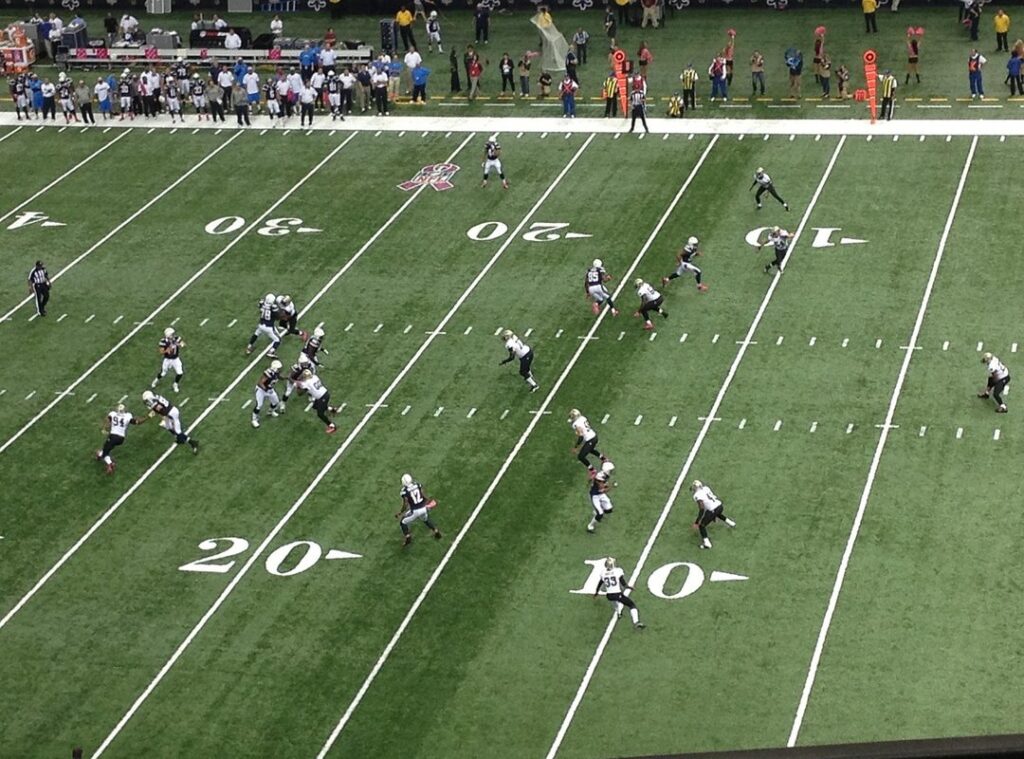
Too many teams underestimate the importance of defense. This mistake can cost championships.
I’ve seen it happen time and again. Teams that neglect their defensive play often miss opportunities and find themselves on the losing end of close games.
It’s frustrating to watch.
This guide dives deep into defensive strategies sports. I draw on years of experience analyzing elite tactics and coaching takeaways. You can trust that these strategies come from observing what works in high-stakes environments.
I promise to deliver actionable, proven techniques. You’ll learn everything from individual skills to complex team schemes that can transform your defense into a wall.
Each tip is backed by performance analysis from top athletes and coaches.
What I’m sharing isn’t theory; it’s what I’ve seen succeed on the field.
By the end of this article, you’ll have the tools to build an impenetrable defense. Let’s make sure your team isn’t just playing the game but dominating it defensively. Defense wins championships, and I’m here to help you master it.
Defensive Mastery: Core Principles for Every Sport
In sports, defense isn’t just a role; it’s an art. The universal principles of defense apply across basketball, soccer, hockey, and football. They shape the game, and they win championships. Stance and Positioning: This is where it all begins.
A proper stance limits offensive options and creates use (yes, the good kind). Does it matter if you’re on a basketball court or a soccer field? Absolutely.
In basketball, a low, wide stance helps you stay balanced and react quickly. Soccer midfielders use similar positioning to block passing lanes and control the tempo.
Next, we have Anticipation and Read-and-React. It’s not just about reacting; it’s about being proactive. Study opponents, read their cues, and you’ll control the game.
Ever seen a defender in hockey intercept a pass like they had a crystal ball? That’s anticipation in action.
Communication is the defensive linchpin. Without it, you might as well be playing solo. Call out screens, rotations, and shifts.
Aggression vs. Discipline is the final pillar. It’s about balance.
Verbal cues are key, but non-verbal signals matter too. A quick glance can prevent a breakdown.
Pressure without fouling. Be aggressive, but don’t overcommit. In football, a linebacker needs this balance to disrupt plays without getting flagged.
These principles apply differently but are equally key in every sport. Master them, and you’ll master the game.
Mastering Defensive Skills: Own the Field
Defense isn’t just blocking shots. It’s an art form. You have to use every muscle and instinct to outwit your opponent.
Let’s start with footwork. Good footwork wins games. You know why?
Because it keeps you glued to your target. Defensive slides are your bread and butter, and they need to be swift. Move laterally like your shadow depends on it.
Practice those backward steps; don’t stumble when backpedaling. That’s key for staying ahead.
But what about body control? Ever watched a top athlete box out? It’s like poetry in motion.
You need to use your hips, not your hands. Screen without fouling. It shakes up your opponent’s plans, making you a nightmare to play against.
Then there’s hand-eye coordination. Those quick hands aren’t just for show. They’re for deflections, blocks, and poking the ball loose.
Don’t forget vision. You need eagle eyes. Track your opponent, sure.
Active hands mean you’re always in the game. It’s the difference between a goal and a fast break.
But also read the play. This multitasking sets elite defenders apart. Want to pick up more tips?
Check out effective offensive plays explained.
Consistent practice is key. Repetition builds reflexes. It’s about precision, not just muscle.
So lace up your boots, hit the field, and practice till it’s second nature.
Locking It Down: Advanced Defensive Schemes
When it comes to defensive strategies in sports, there’s a lot to unpack. to the nuts and bolts of it. Man-to-Man Defense is all about sticking to your assignment. It’s like glue. You’ll get tight coverage, but watch out for those screens (they’ll) trip you up if you’re not on your toes.
Switching and help-side defense are key here, keeping the opponent in check when things go sideways.
Then there’s Zone Defense. It’s more about space than individuals. Think of the 2-3 zone in basketball or zonal marking in soccer.
These setups protect key areas like the paint or goal. But there are drawbacks (gaps) can open up, and perimeter shots become a threat.
Pressing Strategies are another beast entirely. Full-court press, high press, forechecking. These are aggressive, energy-sapping methods. They’re designed to force turnovers and tire the opposition. But you need stamina and quick thinking to pull them off.
And don’t forget about Transition Defense. You need to hustle back after a lost ball or missed shot. It’s about snapping back into position and organizing quickly.
Sometimes a coach will choose a defensive scheme based on the opponent’s strengths or their own team’s capabilities.
For more on these defending and attacking tactics, consider the context and game situation.
Adapting Your Defense: In-Game Tactics
I’ve always believed that the best defense in sports isn’t about sticking to a rigid plan. It’s about adapting. You need to read the game and adjust your defensive strategies sports to stay ahead.

How do you do that? Start with opponent analysis. Watch films, dig into stats, and identify those offensive tendencies.
What are their star players’ moves? This is key. You can’t defend what you don’t understand.
You’ve got to have a plan for each. But, let’s be honest, sometimes plans fail (usually at the worst moments). in-game adjustments come in. Recognize when your defense isn’t cutting it and switch things up.
Once you know their game, it’s time to strategize against specific threats. Is their winger too fast? Maybe their post player dominates inside.
Go from zone to man or tweak your pressure points. Quick thinking can turn the tide.
And don’t forget situational defense. The game’s on the line, you’re short-handed, or protecting a lead. These moments require sharp focus and communication.
Leadership here is key. Want more on this? Check out key tactics legendary coaches.
Dive deep into how the pros handle these challenges.
Train Like a Defensive Master: Unlocking Your Potential
Building defensive mastery isn’t a walk in the park. You need to sweat it out with targeted training. Start with individual skill drills.
Cone drills and ladder drills will sharpen your footwork. Reaction balls? Ideal for hand-eye coordination.
Now, let’s talk team defense. Ever tried the shell drill in basketball? Perfect for practicing communication and rotations.
Or small-sided games in soccer? They force you to think defensively.
Don’t forget conditioning. Maintaining intense defense demands endurance. Sport-specific training is key here.
And film study? It’s like having a coach on repeat, pinpointing your flaws and strengths. With these defensive strategies sports become less about raw talent and more about smart play.
Ready to train hard?
Mastering Your Defense Starts Now
A strong defense isn’t just about talent. It’s about discipline and execution of proven strategies. I know the frustration of defensive lapses.
You want consistency and game-changing results. By integrating these foundational principles, you can open up your full potential.
Start analyzing your defensive play today. Identify weaknesses and commit to improvement. Remember, elite defense requires constant training and adaptation.
You can make this happen. Don’t wait for change; set up these defensive strategies sports now.
Take the first step. Assess your techniques and build a stronger defense. Your success starts with action.